
"Producing areas"
20000 article(s) found

Where are the four largest coffee bean producing areas in the world? what do you mean by the four major coffee producing areas during coffee time?
Professional coffee knowledge exchange more coffee bean information Please follow the coffee workshop (Wechat official account cafe_style). I believe that for every coffee lover, while hoping to drink a good cup of coffee, he must also hope to know the story of this coffee, the producing area and country of this coffee and the history of its coffee production and processing. Therefore, we also carry this kind of

Sidama and Yerga Shefi are different. Brewed, washed, Yerga Shefi, sun-baked Sidama Flower Chief Flavor Description
Front Street Coffee believes that coffee has been integrated into Ethiopia's social fabric and cultural economy for hundreds of years, where coffee is at the heart of their culture and an important source of income for most people. The country is also recognized worldwide as the origin of coffee, highly regarded in the boutique coffee market, and Ethiopian coffee is almost always on the menu of coffee shops around the world.
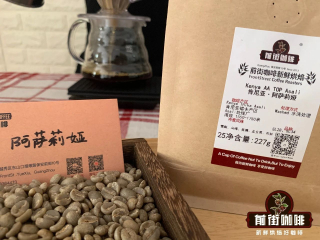
Introduction to the main producing areas of Kenyan coffee beans the flavor and taste of Kenyan K72 water-washed coffee beans
Kenya Coffee producing areas Kenya is most famous for its seven largest coffee producing areas: Thika, Kirinyaga, Mt.KenyaWest, Nyeri, Kiambu and Ruir.

Coffee producing area 53 coffee producing areas in the world, Brazilian coffee producing area
Brazil's low-acidity, moderately roasted coffee beans from the World Coffee Center Brazil is vividly likened to the giant and monarch of the coffee world. There are about 3.97 billion coffee trees there, and small farmers now grow 75% of the country's coffee. Brazil produces twice or even three times as many coffee as Colombia, which is the second largest coffee producer in the world.

Distribution of coffee producing areas in Honduras? Flavor and taste characteristics of coffee beans in coffee producing areas of Honduras
Coffee knowledge exchange more coffee bean information please follow the coffee workshop (Wechat official account cafe_style) the distribution of coffee producing areas in Honduras? What are the flavor and taste characteristics of coffee beans in the coffee producing area of Honduras? Honduras was previously less well-known in the consumer market because it did not have strong support for the handling and transportation of raw beans. In recent years, Hongguo has made a response to

What are the coffee bean producing areas? an analysis of the coffee producing areas in Ethiopia
Ethiopian producing areas, generally speaking, Ethiopian coffee producing areas can take the East African Rift Valley as the demarcation point and evolve separately. To the west of the Great Rift Valley, that is, the western half of the famous producing areas from north to south, including Zege in Lake keTana in the northwest of the capital, and Gimbi and Li in the west of the capital.

What are the famous producing areas of Yejiaxuefei coffee? Famous coffee shop
Professional coffee knowledge exchange more coffee bean information please follow the coffee workshop (Wechat official account cafe_style) while Yirgacheff is the most famous producing area in Ethiopia, located in a small production area of Gedeo region in southern Ethiopia, the coffee beans harvested come from local small-scale coffee farmers, which can be said to be a collection of the painstaking efforts of many small-scale coffee farmers.

Indonesia boutique coffee producing area Daquan Indonesian boutique coffee producing area is called Mantenin?
When it comes to boutique coffee, Haibo height is basically the most common requirement, and Indonesia's boutique coffee is no exception. Coffee producing areas are mainly distributed in high-altitude places such as northern Sumatra, Sulawesi and Java. Sumatra is the main producing area of fine beans, but the coffee system here is very complex. Generally speaking, everyone knows best.

Brief introduction of coffee bean producing areas in Colombia Antioquia producing areas in Colombia
Professional coffee knowledge exchange more coffee bean information please follow the coffee workshop (Wechat official account cafe_style) front street-Colombia Antioquia production area introduces the geographical environment of Colombia, beautiful mountains and rivers, beautiful scenery, pleasant climate, spring all year round, fresh air, refreshing. Colombia's mild climate, humid air and diverse climate make it harvest all year round.

What are the characteristics of coffee beans in Sidamo Guji producing area? what is the difference in flavor and taste between Sakui coffee 6.0 and 5.0?
Professional coffee knowledge exchange more coffee bean information please follow the coffee workshop (Wechat official account cafe_style) front street-the distinction between Sidamo and Guji, Sakuran knowledge sharing the Ethiopian administrative region is divided into four levels, in the order of Region, Zone, wored

Coffee Bean Brands in eight Coffee producing areas in Ethiopia ranking Sidamo Coffee Taste characteristics
For the exchange of professional baristas, please pay attention to the coffee workshop (Wechat official account cafe_style). The Guji producing area of southern Ethiopia is adjacent to the Sidamo and Gedeo areas, with towering mountains, highlands, plateaus, valleys and plains. The geology of this area belongs to the volcanic soil with rich nutrients and good drainage, and the depth of the soil is close.

Taste the taste of the region Guatemala's eight regions and microclimate
Professional barista communication Please pay attention to coffee workshop (Weixin Official Accounts cafe_style ) Have you ever thought about how many stories are behind this beautiful cup of coffee in your hand? This article explores the microclimate characteristics that are inextricably linked to coffee. After the impact of the Kuroshio movement, people gradually began to have professional knowledge and technology related to the coffee industry. In addition to the large coffee-related exhibitions in various countries every year,

Colombian boutique coffee producing area introduction: Colombian Popayan producing area
For more information on coffee beans, please follow Coffee Workshop (Wechat official account cafe_style) Popayan, a city in southwest Colombia, the capital and largest city of Cauca, covering an area of 483.11 square kilometers and a population of 258653. It is famous for the annual food festival held here and is recognized by the United Nations Educational, Scientific and Cultural Organization (UNESCO). Popayan was founded in 1537.

Introduction of Fine Coffee Bean producing area-- Honduras Coffee Bean Honduras Coffee producing area
Well-known representative coffee: Honduran coffee seems strange to many coffee drinkers. When it comes to coffee production, the geographical conditions of Honduras are no less than those of neighboring coffee-producing countries such as Guatemala and Nicaragua. However, in the past, Honduras was more well-known in the consumer market because it did not have strong support in the handling and transportation of raw beans.
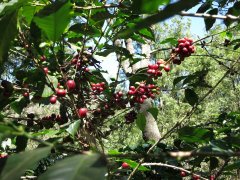
Method of distinguishing commercial coffee producing areas and fine coffee producing areas in Colombia Colombian coffee logo
Exchange of professional baristas pay attention to Coffee Workshop (Wechat official account cafe_style) Colombia's geographical environment is excellent: low latitudes, high elevations, coffee trees are mostly planted in the Andes, between 1200 and 1900 meters above sea level, and the planting area from south to north, staggered production seasons, coffee production throughout the year, becoming the world's third largest coffee supplier. In particular, Colombia

The difference between Yejia Coffee Bean and Huakui Coffee Bean introduction to the Flavor characteristics of planting conditions in Yega Xuefei producing area
Professional coffee knowledge exchange more coffee bean information please follow the coffee workshop (Wechat official account cafe_style) front street-Yega Xuefei, Guji production area introduction Ethiopia is widely regarded as the birthplace of coffee, and now it has received great attention in the boutique coffee industry. Coffee beans from Ethiopia
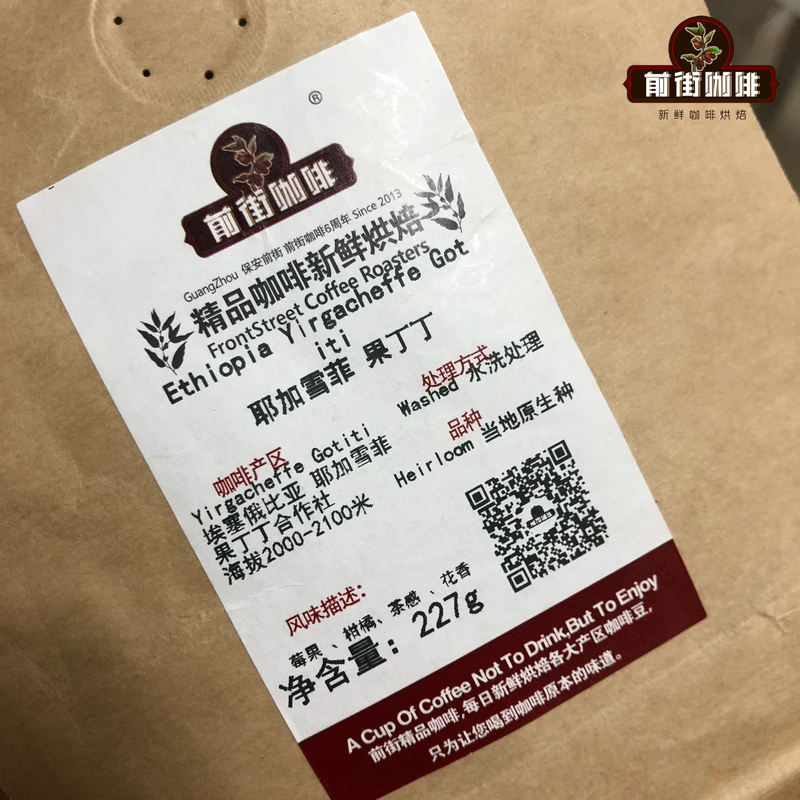
Ethiopian Coffee Bean | Flavor introduction of boutique coffee beans in Guoding Cooperative. Independent producing areas in the cooperative area.
Most of the coffee cultivation in Ethiopia is in the form of cooperatives, and the famous Waka cooperative is represented. With the single producing area flavor emphasized by the boutique coffee wave, many independent producing areas have been found and independent. The same is true in the Waka cooperative producing areas, more plots and coffee produced by cooperatives.

Historical environment characteristics of Antigua coffee bean planting altitude flavor description of producing area information
For professional baristas, please pay attention to the Coffee Workshop (official Wechat account cafe_style) Koban Rainforest Rainforest Cobn area with year-round clouds, abundant rainfall and cool climate, the local soil is composed of calcareous and clay. Under the influence of the Atlantic basin and the northward jungle tropical climate, most of the coffee in this area is grown in the caffeine of the obviously slow hilly land.

Introduction to the variety treatment method of grinding scale for the description of manor flavor in different coffee producing areas in Colombia
Colombian coffee is located in the Andes, where the climate is mild, the air is humid, and the good rainfall makes it very suitable for coffee growth. according to the geographical location, it is divided into three producing areas: northern, central and southern, in which there are six high-quality coffee producing areas in Colombia.

Ethiopia Yega Sheffield producing area Woka Cooperative washed coffee beans
Yega Xuefei was a small town in the Sidamo producing area a long time ago, but later became independent because of its unique characteristics. Although Yega Xuefei used to be a small town in the Sidamo producing area, the so-called sparrow is well-equipped. But when the trend of boutique coffee blew into Ethiopia, water washing stations (treatment plants), cooperatives, small administrative districts, (towns or villages), harvesting batches and